Published October 25, 2026
Buying a Home in the Triad? Don't Overlook Shared Driveways and Property Easements

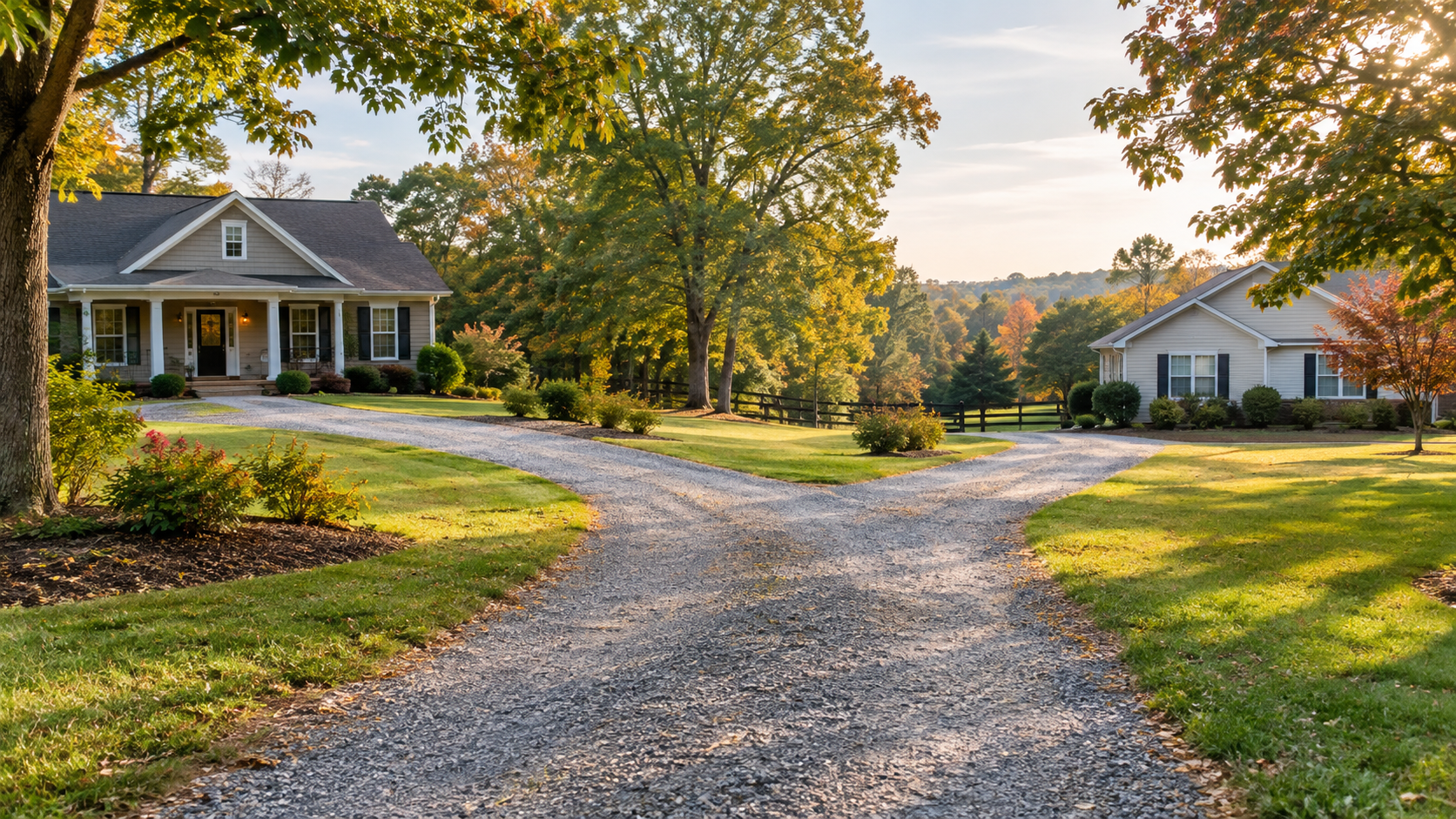
When you find a home you love, it's easy to focus on the kitchen, bedrooms, backyard, and overall feel of the property. But some of the most important details aren't always obvious during a showing.
One example is how you access the property and whether other people have legal rights to use portions of the land.
Across the Piedmont Triad, including Winston-Salem, Greensboro, Kernersville, Clemmons, and surrounding communities, buyers may encounter homes with shared driveways, access easements, utility easements, or property boundaries that aren't immediately clear.
These arrangements aren't necessarily problems. However, understanding them before you buy can help you make a more informed decision and avoid unexpected complications.
What Is a Property Easement?
An easement is a legal right that allows someone to use a specific portion of another person's property for a particular purpose.
For example, a neighboring property might use part of your driveway to reach the public road. A utility company might have the right to access a section of your yard to maintain underground power lines or water infrastructure.
The important distinction is that an easement generally grants a specific use right without transferring ownership of the land itself.
Some easements are routine and have little effect on everyday living. Others can influence privacy, landscaping, future improvements, and how you use your property.
Before purchasing a home, it's worth understanding which easements exist and what they allow.
1. Find Out Whether the Driveway Is Shared
A driveway that appears to serve one home might actually provide access to multiple properties.
This arrangement can be perfectly practical, particularly in rural areas or neighborhoods where homes sit on larger lots. However, buyers should understand how the shared access works.
Consider asking:
-
Is the driveway located entirely on the property, or does it cross neighboring land?
-
Does another homeowner have a legal right to use it?
-
Who is responsible for maintaining and repairing it?
-
Is there a written agreement explaining each property's rights and responsibilities?
-
Could parking, deliveries, or future construction create access problems?
Imagine purchasing a home expecting a private driveway, only to discover that a neighbor has the legal right to use it every day.
That doesn't automatically make the property a bad purchase, but it could affect your expectations about privacy and convenience.
Clarifying these details before closing is much easier than trying to resolve a disagreement afterward.
2. Understand Where Your Property Actually Ends
A fence, hedge, driveway, or row of trees might look like a property boundary, but appearances can be misleading.
The actual legal boundary may be in a different location.
This matters if you plan to install a fence, build a detached garage, add a garden, expand a driveway, or make other improvements.
Before moving forward, review the available property survey and ask your real estate agent about any unclear boundaries. If the boundaries are uncertain or a planned improvement depends on exact measurements, a professional survey may be appropriate.
You should also pay attention to anything that appears to cross a property line, such as a neighbor's fence, retaining wall, shed, or driveway.
Identifying these issues early can help prevent disputes and unexpected changes to your plans.
3. Check for Utility and Drainage Easements
Not every easement involves a neighbor driving across your property.
Some exist to provide access for utilities, drainage systems, or other infrastructure.
These easements may affect where you can place certain structures or make improvements. For instance, building a shed or installing a permanent structure in a restricted area could create problems if a utility provider or other authorized party needs access.
When reviewing a property, look for information about:
-
Utility lines and access rights
-
Stormwater drainage areas
-
Drainage channels or recorded drainage easements
-
Restrictions affecting fences, additions, or other improvements
If you plan to make significant changes to the property, confirm whether the proposed work is permitted before assuming you can proceed.
Your real estate agent can help identify questions to investigate, while the relevant documents, local authorities, or qualified professionals can help clarify the applicable restrictions.
4. Review the Documents Before Closing
A property listing and a home tour cannot tell you everything about the legal rights associated with a property.
Depending on the home, relevant documents may include a recorded plat, property survey, deed, easement agreement, title search, or homeowners association documents.
In North Carolina, title-related questions are particularly important because recorded rights and restrictions may affect how a property can be used.
Ask your real estate agent which documents are available and whether anything requires further review. A real estate attorney or title professional can help explain legal language and identify issues that deserve attention.
If an easement or shared-access arrangement is unclear, don't rely solely on a verbal explanation. Ask for the relevant documentation and have the terms clarified before closing.
5. Think About Your Future Plans
A property might meet your needs today but create limitations later.
For example, you may eventually want to:
-
Build a detached garage or workshop
-
Install a fence around the backyard
-
Expand the driveway
-
Add an outdoor living area
-
Create a garden or other landscaping feature
Before purchasing, consider whether recorded easements, access agreements, or other restrictions could affect those plans.
If you are buying a home specifically because of its large yard or potential for future improvements, this step is especially important.
The goal isn't to eliminate every property restriction. It's to understand them well enough to decide whether the property still fits your plans.
Are Shared Driveways and Easements a Dealbreaker?
Not necessarily.
Many properties have easements that are ordinary, well-documented, and compatible with comfortable homeownership. A shared driveway can work well when access rights and maintenance responsibilities are clear.
The concern is uncertainty.
If you don't know who has access, who pays for repairs, or where the legal boundaries lie, you may be taking on risks you haven't fully considered.
The right approach is to understand the arrangement, determine whether it affects your intended use of the property, and seek professional guidance when necessary.
The Bottom Line
Buying a home involves more than choosing the right floor plan or finding a neighborhood you love. It also means understanding the property itself, including access rights, boundaries, and any restrictions that could affect how you use it.
When exploring homes throughout Winston-Salem, Greensboro, Clemmons, Kernersville, and the greater Triad, take the time to ask questions about shared driveways and easements before making your final decision.
A little due diligence now can help you move forward with greater confidence and fewer surprises after closing.
Thinking about buying a home in the Triad? Terri Bias & Associates can help you navigate the homebuying process, identify questions worth asking, and connect with the appropriate professionals when additional guidance is needed.
Your next home should fit not only your lifestyle today but also your plans for the future.