Published August 30, 2026
The Hidden Costs of Buying a Home: 7 Expenses Buyers Often Forget to Budget For

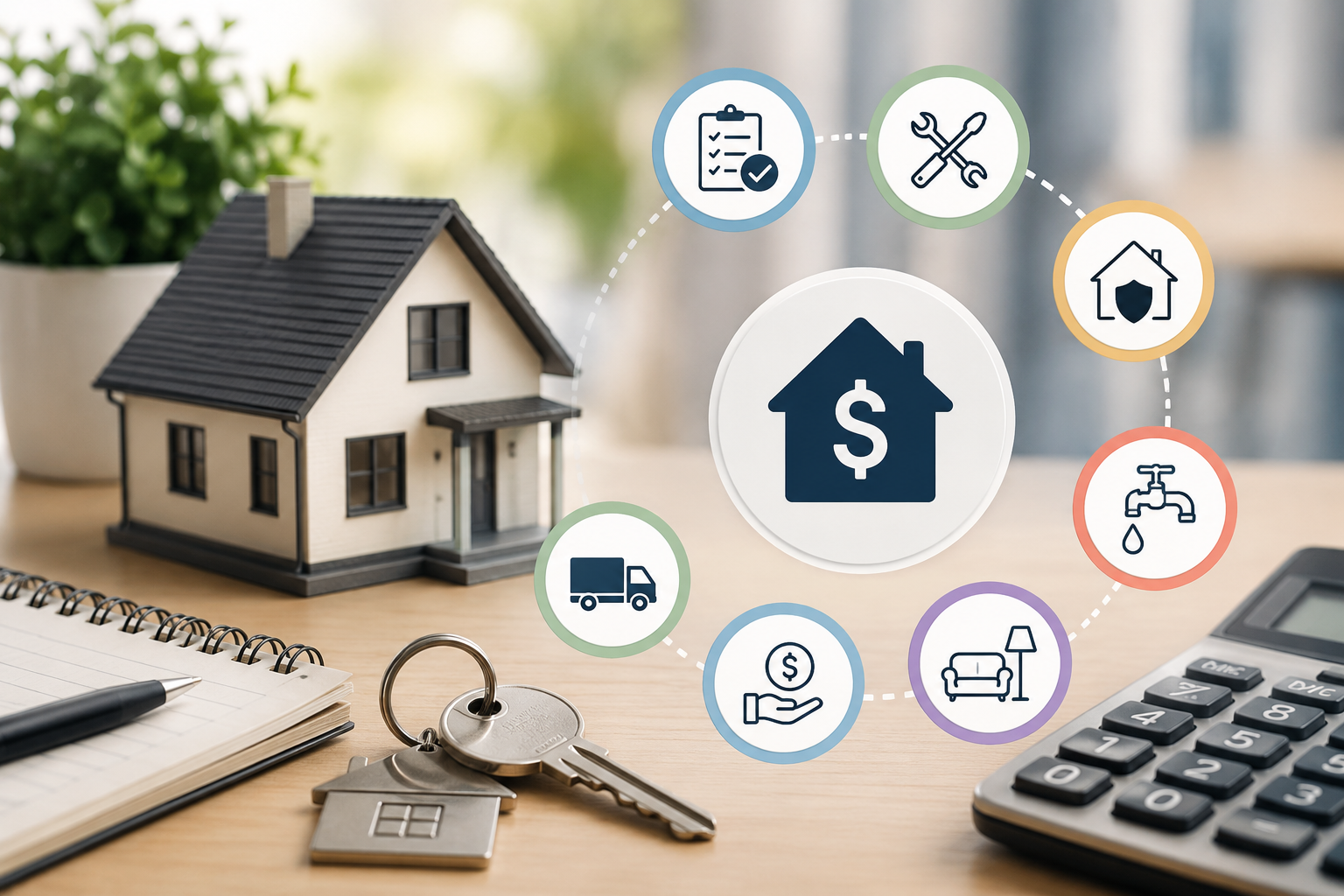
Buying a home is one of the biggest financial decisions you’ll make. While most buyers focus on the purchase price, down payment, and monthly mortgage payment, there are several other expenses that can affect the true cost of homeownership.
Understanding these costs before you start shopping can help you create a more realistic budget and avoid unpleasant financial surprises after closing.
Here are seven expenses every prospective homebuyer should consider.
1. Closing Costs
Your down payment isn't the only money you'll need at closing.
Closing costs can include expenses such as lender fees, title-related charges, recording fees, prepaid taxes, insurance, and other transaction expenses. The exact amount varies depending on the property, loan, lender, and terms of the transaction.
That's why it's important to ask your lender for a detailed estimate of your expected cash-to-close early in the process.
2. Home Inspection and Other Inspections
A home inspection can provide valuable information about the condition of a property before you finalize your purchase.
Depending on the home, you may also consider additional inspections or evaluations, such as:
- Termite or wood-destroying insect inspections
- Radon testing
- Septic inspections
- Well inspections
- Chimney inspections
- HVAC evaluations
Not every buyer will need all of these, but older homes or properties with specific features may require additional due diligence.
3. Homeowners Insurance
Once you become a homeowner, insurance becomes another ongoing expense to account for.
Your premium can depend on factors such as the home's location, age, construction, coverage limits, deductible, and other risk factors.
Before purchasing, get an insurance quote for the specific property you're considering. A home that looks affordable based solely on its mortgage payment may have higher insurance costs than expected.
4. Property Taxes
Property taxes are another recurring cost that can significantly affect your monthly housing budget.
Depending on your mortgage arrangement, your lender may collect money for property taxes through an escrow account. Even when taxes are included in your monthly payment, it's still important to understand how much you're actually paying each year.
When comparing homes, look at the property's current tax information rather than assuming every home in the same price range will have identical tax expenses.
5. Utilities and Maintenance
Renters may be accustomed to paying utilities without worrying about the home's larger systems. Homeowners, however, are generally responsible for maintaining the property.
Your new monthly expenses may include:
- Electricity
- Water and sewer
- Natural gas or other fuel
- Internet
- Trash services
- Lawn care
- Pest control
- HVAC maintenance
It's also wise to keep money available for unexpected repairs. Appliances, water heaters, HVAC systems, roofs, and plumbing don't always wait until it's convenient to need attention.
6. Furniture, Appliances, and Move-In Expenses
Getting the keys is exciting—but your spending may not stop there.
You might discover that the new home needs curtains, furniture, appliances, shelving, landscaping, paint, or other improvements.
It's tempting to tackle everything immediately, but you don't necessarily need to furnish or renovate the entire house during your first month.
Consider creating a separate "new home fund" so you can prioritize the projects that matter most without putting unnecessary pressure on your budget.
7. Moving Costs
Don't forget about the actual process of getting your belongings into your new home.
Depending on your situation, moving expenses could include:
- Professional movers
- Moving trucks
- Packing supplies
- Storage
- Cleaning services
- Travel expenses
- Utility deposits or connection fees
Even a local move can become more expensive than expected when all the smaller costs are added together.
How Much Money Should You Keep in Reserve?
One of the smartest things a buyer can do is avoid spending every available dollar just to get into the house.
After accounting for your down payment and expected closing costs, consider maintaining an emergency fund for unexpected expenses. The right amount depends on your income, existing savings, household expenses, and the condition of the home.
A home that has recently had major systems replaced may have different near-term maintenance needs than an older property.
The goal isn't simply to qualify for the mortgage—it's to be comfortable owning the home after you move in.
The Bottom Line
The purchase price is only one part of the cost of owning a home.
By planning for closing costs, inspections, insurance, taxes, utilities, maintenance, move-in expenses, and unexpected repairs, you can approach your home purchase with a much clearer picture of what you'll actually need financially.
If you're considering buying a home in the Triad, the Terri Bias Team can help you think through the process and connect you with the professionals you need along the way.
A successful home purchase isn't just about finding a house you love. It's about finding a home that fits your life—and a budget you can comfortably live with.