Published August 31, 2026
The Hidden Costs of Buying a Home in North Carolina: What Buyers Should Budget For

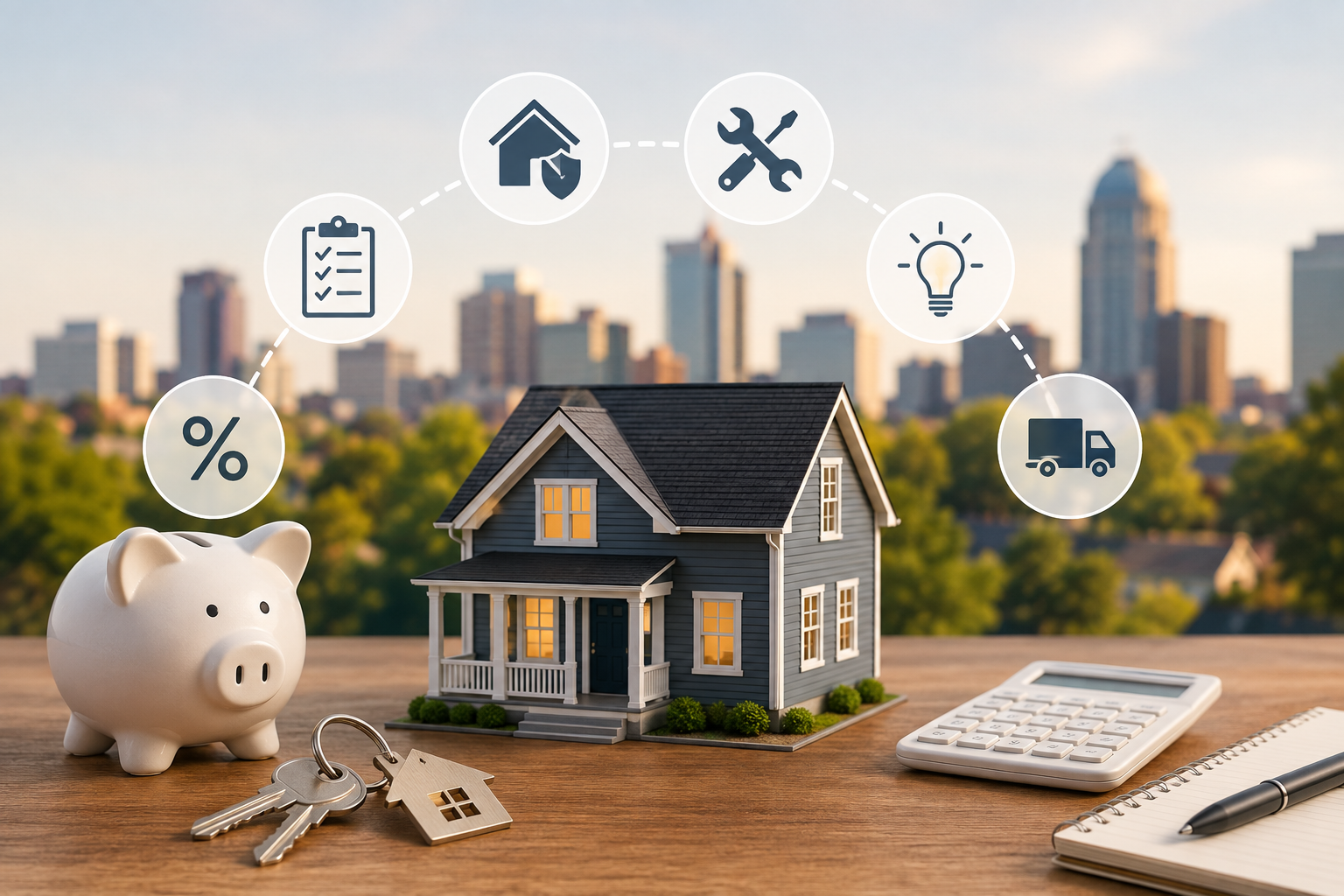
Buying a home is exciting. You find the right property, get your financing lined up, and start imagining what life will look like in your new home.
But there’s more to your home-buying budget than the down payment and monthly mortgage payment.
From closing costs to moving expenses, several additional costs can catch buyers off guard. If you’re purchasing a home in the Triad—including Winston-Salem, Greensboro, High Point, Kernersville, Clemmons, or surrounding communities—understanding these expenses ahead of time can help you plan with confidence.
1. Closing Costs
Closing costs are one of the biggest expenses buyers need to prepare for beyond their down payment.
Depending on the transaction, these costs can include:
- Lender fees
- Appraisal fees
- Title-related expenses
- Attorney fees
- Recording fees
- Prepaid taxes and insurance
- Other transaction-related costs
A common rule of thumb is to budget approximately 2%–5% of the purchase price, although your actual amount will depend on your specific loan and transaction.
Your lender and real estate agent can help you understand what you’re likely to pay before closing.
2. Property Taxes
Property taxes are another ongoing expense that buyers should consider before deciding how much home they can comfortably afford.
In North Carolina, property taxes vary depending on the county and municipality. Your mortgage payment may include an escrow portion for taxes, meaning you’ll pay toward them each month rather than receiving one large bill.
When comparing homes, don't look only at the purchase price. The property's tax history can also affect your monthly housing costs.
3. Homeowners Insurance
Homeowners insurance protects your property and belongings against covered losses, but the cost isn't identical for every home.
Insurance premiums can vary based on factors such as:
- Location
- Home construction
- Age and condition of the property
- Coverage levels
- Deductible
- Claims history and other factors
Before purchasing, getting an insurance quote for the specific property can help you build a more accurate monthly budget.
4. Maintenance and Repairs
One of the biggest differences between renting and owning is that homeowners are responsible for maintaining the property.
A commonly suggested budgeting guideline is to set aside roughly 1%–3% of your home's value each year for maintenance and unexpected repairs.
That doesn't mean you'll spend that amount every year. Some years might require very little maintenance, while another year could bring an expensive HVAC repair, plumbing issue, roof repair, or appliance replacement.
Having a repair fund can make those surprises much easier to handle.
5. Utilities and Setup Expenses
Moving into a new home can also mean setting up or transferring several services.
Depending on the property and your needs, you may need to budget for:
- Electricity
- Water and sewer
- Natural gas
- Internet
- Trash service
- Security systems
- Other home services
Some providers may charge connection, installation, activation, or equipment fees.
These costs may seem small individually, but they can add up quickly during a move.
6. Furniture and Move-In Expenses
Even after you receive the keys, your spending may not be finished.
You might need new:
- Furniture
- Curtains or blinds
- Appliances
- Light fixtures
- Décor
- Lawn equipment
- Storage solutions
It can be tempting to furnish everything immediately, but spreading these purchases over time can help you avoid putting unnecessary pressure on your budget.
A Simple Rule: Budget Beyond Your Down Payment
A helpful way to think about your home-buying budget is to leave room for expenses beyond the down payment.
As a general planning guideline, some buyers may want to reserve an additional 5%–10% of the purchase price for closing costs, moving expenses, initial repairs, furnishings, and other unexpected expenses. Your actual needs may be higher or lower depending on the property, financing, and transaction.
The goal isn't to scare you away from homeownership—it's to help you enter it prepared.
The Bottom Line
Buying a home is about more than finding a property you love and getting approved for a mortgage.
The smartest buyers look at the whole financial picture.
When you understand closing costs, taxes, insurance, maintenance, utilities, and move-in expenses before you make an offer, you can make a more informed decision and reduce the chance of unpleasant financial surprises.
And you don't have to figure it all out alone.
Ready to Buy a Home in the Triad?
The Terri Bias Team is here to help you understand the home-buying process from your first showing to the closing table.
If you're thinking about buying a home in the Triad, we'd love to help you create a plan that fits your goals and budget.