Published September 8, 2026
The Hidden Costs of Buying a Home: What Buyers Should Budget for Beyond the Down Payment

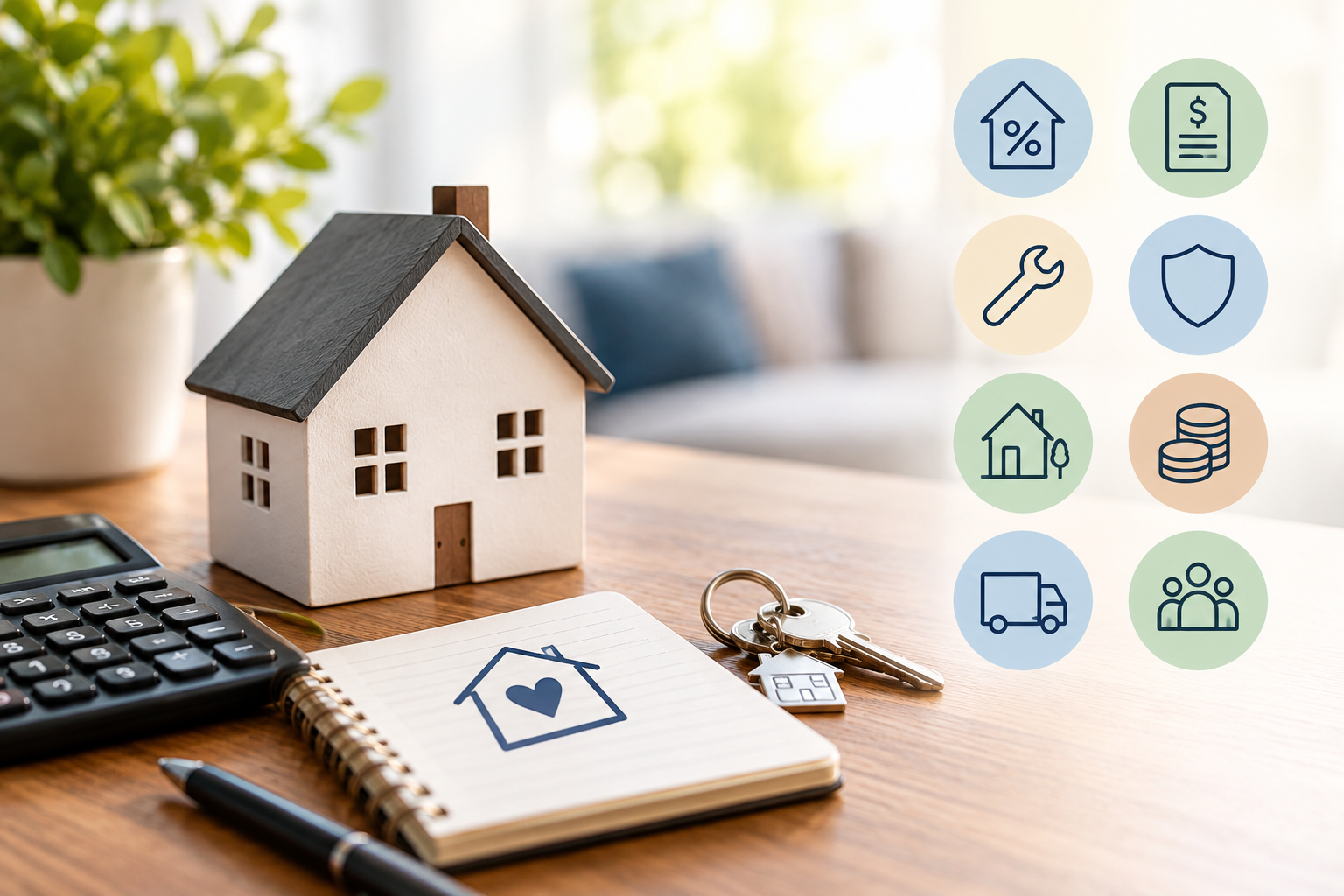
Buying a home is exciting, but there’s more to budgeting for a home than simply saving for the down payment.
Many buyers focus on the purchase price and monthly mortgage payment, only to discover that there are several other expenses that can come with purchasing a home. Planning for these costs ahead of time can help make the process much less stressful.
Here are some expenses buyers should keep in mind:
1. Closing Costs
Closing costs are expenses associated with finalizing your home purchase. Depending on the loan, property, and other factors, they may include items such as lender fees, title-related expenses, appraisal fees, recording fees, and prepaid expenses.
Your lender and real estate professionals can help you understand which costs may apply to your specific purchase.
2. Home Inspection
A home inspection can provide valuable information about the condition of a property before you move forward.
The inspection itself is an additional expense, but it can be a worthwhile part of the buying process. It may identify issues involving the roof, plumbing, electrical systems, HVAC, structure, or other areas of the home.
Knowing about potential problems early can help you make more informed decisions.
3. Appraisal
If you're financing your purchase, your lender may require an appraisal to help determine the property's value.
The appraisal is different from a home inspection. An inspection focuses primarily on the home's condition, while an appraisal evaluates the property's market value for lending purposes.
4. Homeowners Insurance
Homeowners insurance is another expense to consider when calculating your overall housing budget.
Depending on your situation, insurance may be collected as part of your monthly mortgage payment through an escrow account or handled separately. Premiums can vary based on the property, location, coverage, and other factors.
5. Property Taxes
Property taxes are an important part of the long-term cost of owning a home.
When you're comparing homes, don't look only at the listing price. Take the property's taxes into account as well, because they can affect your overall monthly housing expenses.
6. Repairs and Maintenance
Even a home that appears move-in ready will eventually require maintenance.
You may need to replace an appliance, service the HVAC system, repair a leaky faucet, repaint a room, or take care of outdoor maintenance. These expenses aren't always predictable, so having an emergency fund can give you some breathing room.
7. Moving Expenses
Don't forget about the cost of actually getting into your new home!
Depending on your situation, you may have expenses for movers, a moving truck, packing supplies, storage, new furniture, utility deposits, or other household necessities.
These smaller expenses can add up quickly.
8. HOA Fees
If you're purchasing a home in a community with a homeowners association, there may be monthly, quarterly, or annual HOA fees.
Be sure to understand what those fees cover and whether there are additional community rules or potential assessments before purchasing.
The Bottom Line
Buying a home is about more than having enough money for the down payment. Understanding the full cost of homeownership can help you create a realistic budget and avoid unpleasant surprises after closing.
The good news? You don't have to figure it all out by yourself.
A knowledgeable real estate professional can help you understand the different expenses involved, ask the right questions, and connect you with the professionals you need throughout the process.
Thinking about buying a home in the Triad? The Terri Bias Team is here to help you understand the process from start to finish—and help you feel confident about the decisions you're making along the way.