Published October 18, 2026
What to Know About Home Inspections Before You Buy in the Triad

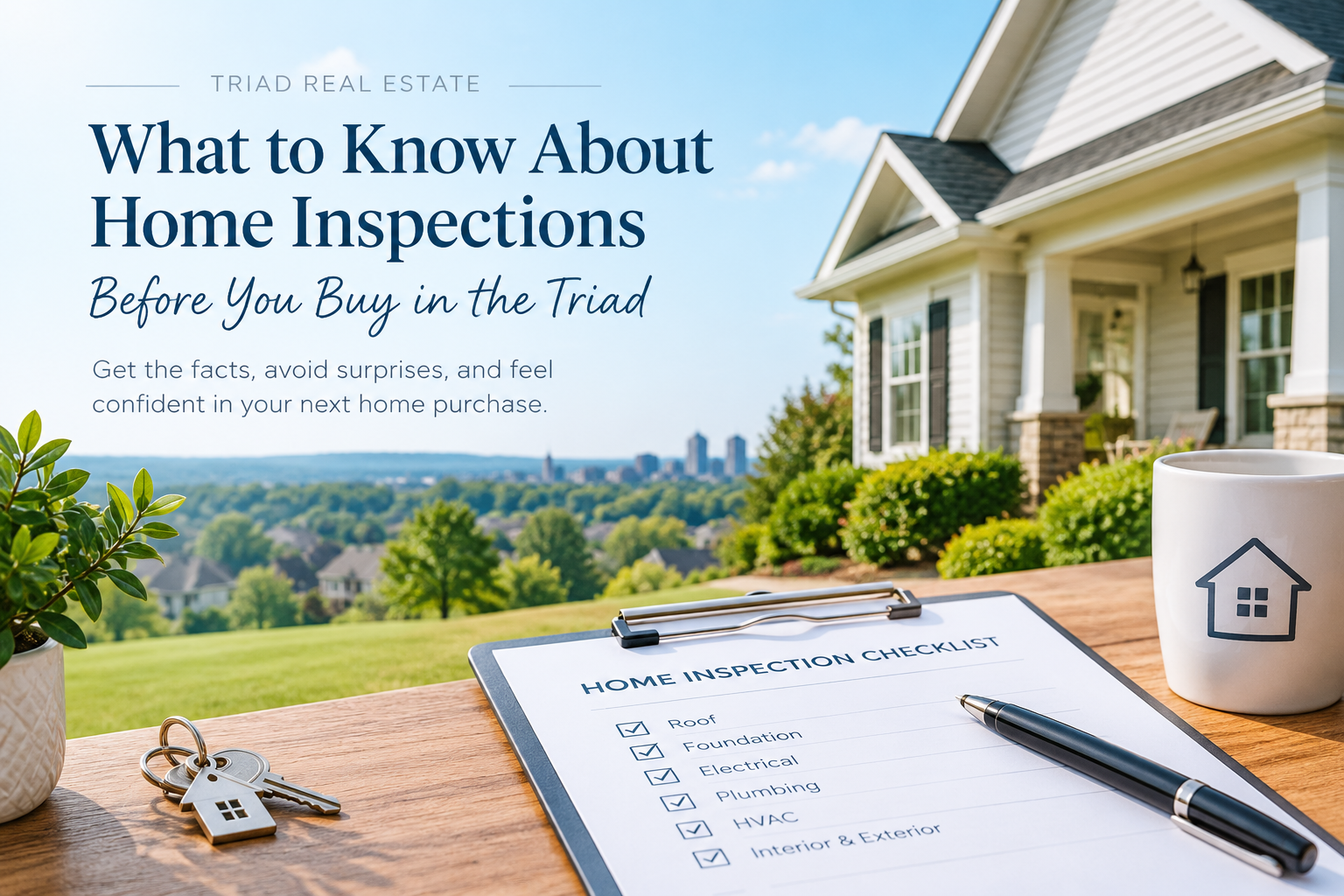
Buying a home is an exciting milestone, but before you picture yourself settling into your new space, there is one important step you shouldn't overlook: the home inspection.
Whether you're searching for a home in Winston-Salem, Clemmons, Kernersville, Advance, or another Triad community, a home inspection can help you better understand a property's condition before moving forward with your purchase.
A house may look beautiful during a showing, but some issues aren't easy to spot without a closer look. Understanding what an inspection involves can help you make a more informed decision and feel more confident throughout the homebuying process.
What Is a Home Inspection?
A home inspection is a professional evaluation of a property's visible and accessible components. A qualified home inspector examines the home's major systems and structural elements to identify potential concerns, safety issues, and components that may need repair or further evaluation.
The inspection generally takes place after an offer is accepted, according to the terms and timeline agreed upon in the purchase contract.
While an inspection is an important part of buying a home, it isn't a guarantee that every possible problem will be discovered. Its purpose is to provide buyers with a clearer picture of the property's condition at the time of the inspection.
What Does a Home Inspector Usually Check?
A typical home inspection covers several important areas of the property.
1. Roof and Exterior
The inspector evaluates visible roofing materials, gutters, siding, exterior doors, windows, and other accessible exterior components. They may identify signs of wear, water intrusion, damaged materials, or areas that need additional attention.
In the Triad, seasonal storms, heavy rain, and changing temperatures make it especially helpful to understand the condition of a home's roof and exterior drainage.
2. Foundation and Structural Components
The foundation, visible framing, floors, walls, and other structural components may be examined for signs of movement, cracking, moisture, or deterioration.
Not every crack indicates a serious structural problem. However, significant or unusual findings may warrant evaluation by a qualified structural professional.
3. Electrical System
The inspector reviews accessible electrical components, including outlets, switches, the electrical panel, and visible wiring where appropriate.
Potential concerns may include damaged components, improper installations, or other conditions that could affect safety. Some issues may require further evaluation by a licensed electrician.
4. Plumbing
Plumbing inspections generally include accessible pipes, fixtures, faucets, drains, and visible signs of leaks or water damage.
Ask about any findings involving water pressure, drainage, or moisture. Depending on the property, additional testing may be useful to investigate concerns that a standard inspection cannot fully evaluate.
5. Heating and Cooling Systems
The inspector typically evaluates the accessible components of the heating and cooling systems and checks their basic operation when conditions allow.
Because North Carolina experiences both warm summers and cold winter periods, understanding the condition of a home's HVAC system is important for year-round comfort.
A standard inspection is not the same as a comprehensive HVAC service appointment, so significant concerns may require an evaluation by a qualified technician.
6. Interior and Attic Areas
Depending on accessibility, the inspector may examine ceilings, walls, floors, doors, windows, insulation, ventilation, and accessible attic areas.
Signs of moisture, damaged finishes, poor ventilation, or other concerns may lead to recommendations for further investigation.
Why Home Inspections Matter in the Triad
Homes throughout the Triad vary in age, construction, location, and maintenance history. You might find a recently built home in one community and a decades-old property in another.
That variety makes it important to evaluate each property individually.
For older homes, buyers may want to pay particular attention to aging systems, previous repairs, moisture concerns, and the condition of major components. For newer homes, an inspection can still identify installation issues, incomplete work, or defects that may not be apparent during a showing.
The property's location and history can also influence what deserves closer attention. For example, drainage concerns, evidence of past water intrusion, and the condition of exterior materials may be especially relevant after periods of heavy rainfall.
The goal isn't to find a perfect house. It's to understand what you're buying and whether the property's condition aligns with your expectations.
What Should You Do Before the Inspection?
A little preparation can help you get more value from the process.
Review your purchase contract. Understand the inspection-related provisions, applicable deadlines, and any rights or obligations established by the agreement. Ask your real estate agent to explain anything you're unsure about.
Choose a qualified inspector. Look for an experienced professional who can explain their findings clearly. Ask about the inspection's scope, limitations, and whether additional evaluations may be appropriate.
Prepare your questions. Think about the home's age, visible condition, maintenance history, and any concerns you noticed during your showing.
Attend if practical. If your schedule allows and the inspector permits it, attending can help you understand the findings firsthand. You may be able to see concerns in context and ask questions as they arise.
What Happens If the Inspector Finds Problems?
First, don't panic. Most inspection reports identify a combination of maintenance recommendations, minor defects, and potentially more significant concerns.
The important step is understanding the difference.
Some findings may involve routine maintenance, such as adjusting a door or cleaning a gutter. Others may require estimates from licensed contractors or specialized professionals to determine the extent of the problem and the appropriate next steps.
After reviewing the report, consider these actions:
-
Ask for clarification. Have the inspector explain findings you don't understand.
-
Investigate significant concerns. Seek specialist evaluations when recommended, particularly for structural, electrical, plumbing, roofing, or environmental issues.
-
Understand your options. Depending on your contract and applicable law, you may be able to negotiate repairs, request a credit, discuss a price adjustment, proceed as agreed, or exercise other contractual rights.
-
Keep deadlines in mind. Inspection-related decisions may need to be made within specific contractual timeframes.
Your real estate agent can help you understand the transaction process and communicate with the seller. For technical issues, rely on appropriately qualified professionals.
Remember that the inspection report is a tool for informed decision-making, not simply a list of reasons to walk away from a property.
Are There Situations That Require Additional Inspections?
Yes. A general home inspection may identify concerns that require more specialized testing or evaluation.
Depending on the property and the inspector's findings, you may want to ask about:
-
Wood-destroying insects: An appropriate pest inspection can help identify evidence of termites or other wood-destroying organisms.
-
Radon: Testing may help determine whether radon levels warrant mitigation.
-
Moisture and mold: Suspected moisture intrusion or microbial growth may require further evaluation.
-
Well water and septic systems: Homes with private wells or septic systems may need separate testing or inspections.
-
Chimneys and fireplaces: Specialized evaluation may be appropriate if the home has a fireplace or chimney.
-
Roofing, HVAC, or structural concerns: A qualified specialist may need to assess issues beyond the scope of a general inspection.
Not every property needs every additional inspection. The right approach depends on the home's features, location, history, and any concerns discovered during the evaluation.
What a Home Inspection Cannot Tell You
Although inspections are valuable, buyers should understand their limitations.
An inspector generally evaluates visible and accessible conditions at a particular point in time. They may not be able to examine concealed wiring, hidden plumbing, inaccessible spaces, or components that cannot be safely operated.
An inspection also doesn't necessarily determine the remaining lifespan of every system or predict future failures.
For these reasons, review the inspection agreement and report carefully. If something important remains uncertain, ask whether further testing or professional evaluation is appropriate before making your decision.
Make Your Next Home Purchase With Greater Confidence
Buying a home is a major decision, and understanding its condition is an important part of protecting your interests.
A thorough inspection can help you identify potential concerns, plan for future maintenance, and make a more informed choice about whether a property is right for you.
As you explore homes in Winston-Salem, Clemmons, Kernersville, Advance, and throughout the Triad, take time to look beyond the finishes and staging. Understanding the home's underlying condition can make the buying process less overwhelming and help you move forward with greater confidence.
At Terri Bias & Associates, we believe informed buyers are better prepared to make decisions that fit their needs and long-term goals. If you're planning to buy a home in the Triad, working with a knowledgeable local real estate team can help you navigate the process, understand your options, and move toward your next chapter with confidence.
Ready to begin your home search? Visit FindHomesinTriad.com to explore your options and take the next step toward finding your home in the Triad.