Published May 31, 2026
Why Walkability Is Becoming One of the Most Valuable Features in Today's Housing Market

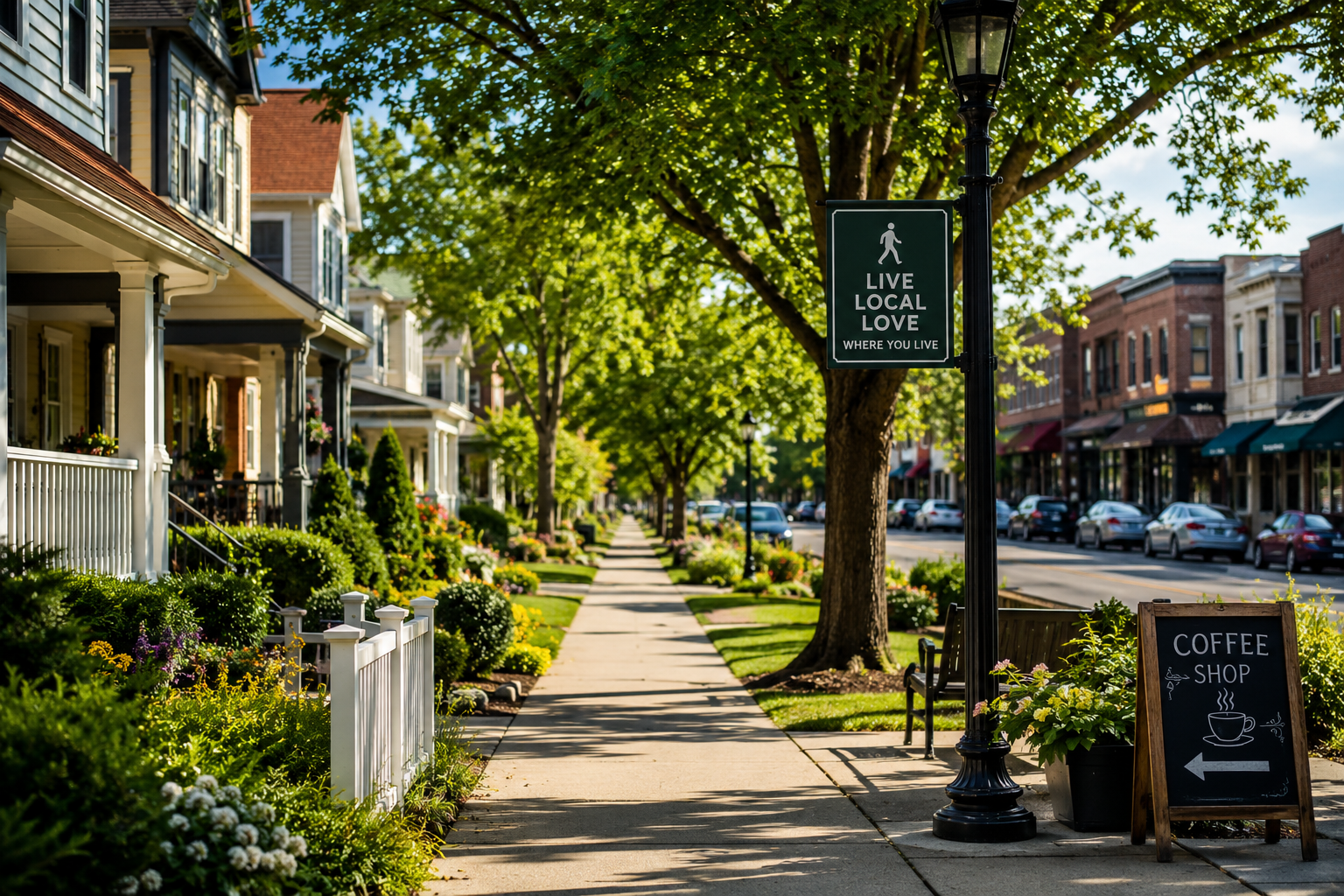
For years, homebuyers focused primarily on square footage, lot size, and the number of bedrooms. While those factors remain important, a growing number of buyers are placing a higher value on something that can't be measured inside the walls of a home: walkability.
Walkability refers to how easy it is to access everyday destinations such as restaurants, grocery stores, parks, schools, coffee shops, and entertainment without relying on a vehicle. As lifestyles continue to evolve, communities that offer convenience and accessibility are becoming increasingly attractive to homebuyers of all ages.
Why Buyers Are Prioritizing Walkable Neighborhoods
One of the biggest reasons is convenience. Many homeowners enjoy the ability to grab a cup of coffee, take an evening stroll, or run quick errands without having to drive across town. Walkable neighborhoods can save time, reduce transportation costs, and encourage a more active lifestyle.
Remote and hybrid work arrangements have also influenced buyer preferences. Since more people are spending additional time in their local communities, they are paying closer attention to nearby amenities and neighborhood atmosphere.
The Lifestyle Advantage
Walkable communities often foster stronger connections among neighbors. Sidewalks, local businesses, parks, and community gathering spaces create opportunities for social interaction that can be harder to find in car-dependent areas.
Families may appreciate having nearby parks and recreational facilities, while retirees often value easy access to shopping, healthcare services, and dining options. Young professionals frequently seek neighborhoods that offer entertainment and dining within walking distance.
Impact on Property Values
Homes located in highly walkable areas often maintain strong demand. While real estate values are influenced by many factors, proximity to desirable amenities can contribute to long-term market appeal.
As cities and towns continue investing in pedestrian-friendly infrastructure, neighborhoods with sidewalks, trails, green spaces, and mixed-use developments may attract even more buyer interest in the years ahead.
What Sellers Should Know
If you're preparing to sell your home, don't overlook nearby amenities when marketing your property. Highlighting local parks, restaurants, walking trails, schools, and shopping centers can help buyers understand the lifestyle benefits your location offers.
Many buyers aren't simply purchasing a house—they're investing in a neighborhood and the experiences that come with it.
Final Thoughts
Today's buyers are looking beyond the front door. Walkability has become an increasingly important factor in how people choose where to live, work, and spend their free time. Whether you're buying, selling, or simply keeping an eye on market trends, understanding the value of a walkable neighborhood can help you make more informed real estate decisions.
If you're curious about which neighborhoods offer the best combination of convenience, community, and long-term value, partnering with a knowledgeable local real estate professional can help you find the right fit.